Trusted Retail Colocation for Optimal Business Operations
Retail Colocation: Streamline Your Supply Chain and Elevate Customer Experience*
Retail colocation provides a powerful solution for businesses seeking to streamline their supply chains. By centralizing logistics and inventory management, retailers can greatly enhance operational efficiency. This approach not only cuts overhead but also enhances inventory transparency. However, the seamless integration of retail colocation demands a thorough knowledge of its challenges and benefits. As the landscape evolves, retailers must consider the role of technology in driving this transformation. What essential components will determine their achievements?
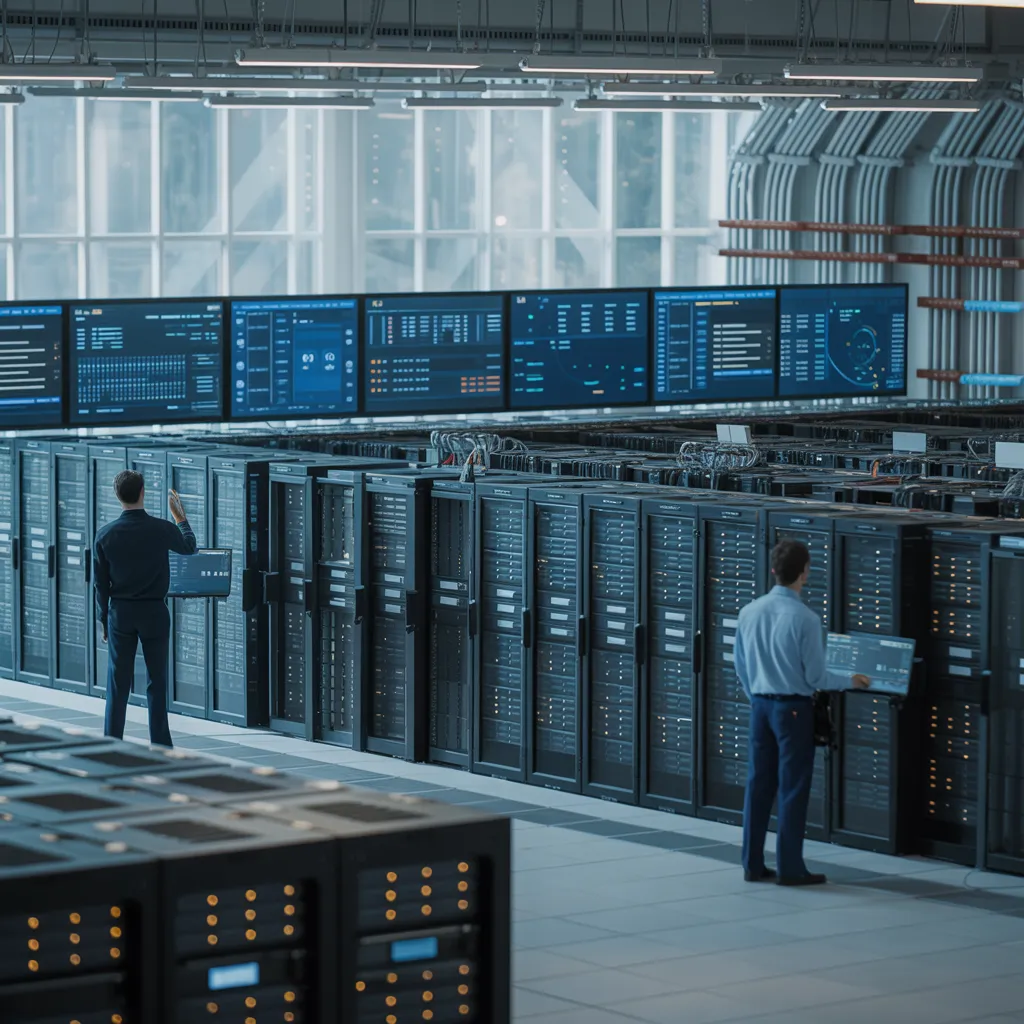
Understanding the Challenges in Retail Supply Chains
Technology-related constraints present significant obstacles, as many retailers struggle to integrate advanced systems for real-time tracking and data analysis. This lack of visibility can hinder decision-making processes and responsiveness to market changes. Additionally, the increasing complexity of logistics, including transportation costs and regulatory requirements, adds layers of difficulty.
Addressing these challenges requires a well-planned strategy, emphasizing cooperation between key stakeholders, technological investment, and agile methodologies to adapt to shifting market conditions. By conquering these obstacles, retailers can enhance operational efficiency and enhance overall customer experiences.
Exploring Retail Colocation and Its Advantages
Retail colocation delivers a strategic advantage by optimizing supply chain operations through streamlined operations. By combining resources, businesses can attain efficient resource allocation, ultimately leading to increased profit margins. Grasping these key factors is critical for retailers looking to enhance their logistical and business frameworks.
Strengthened Supply Chain Operations
Optimizing supply chain operations is a key objective for businesses seeking a competitive edge, and retail colocation delivers a strategic solution. By centralizing services within a shared facility, retailers can improve communication and collaboration among various stakeholders, including suppliers and logistics providers. This proximity fosters real-time data sharing, enabling quicker responses to market demands and reducing lead times. Additionally, retail colocation minimizes transportation costs and carbon footprints by centralizing inventory. Enhanced inventory management and streamlined distribution channels contribute to a more agile supply chain, allowing businesses to adapt swiftly to changes in consumer behavior. Ultimately, retail colocation not only enhances operational efficiency but also promotes a seamless customer experience, setting up businesses for sustained success in a competitive landscape.
Budget-Friendly Resource Management
Effective supply chain operations lay the groundwork for exploring cost-effective resource management within the retail sector. Retail colocation enables businesses to consolidate resources, reducing overhead costs associated with maintaining separate facilities. By sharing infrastructure and services, retailers can achieve economies of scale that enhance profitability while minimizing waste. This joint approach promotes innovation, permitting organizations to harness shared expertise and technology to simplify operations. Furthermore, decreased logistical challenges result in faster response times, matching inventory levels with customer demand more precisely. Therefore, organizations can enhance their resource deployment, making certain that capital is placed where it produces the most significant return. Ultimately, retail colocation stands as a strategic opportunity for advancing both operational effectiveness and expenditure management in today's demanding marketplace.
Boosting Supply Chain Efficiency With Retail Colocation
Attaining exceptional supply chain performance frequently depends on forward-thinking approaches, and retail colocation proves to be a revolutionary option. By uniting several retailers within a common warehouse, businesses can streamline their logistics operations, cutting freight expenditures and refining inventory oversight. This partnership-driven strategy promotes live data collaboration, allowing stakeholders to react promptly to market shifts and customer needs.
Retail colocation also enhances oversight within the supply chain, enabling stakeholders to monitor products from suppliers to end customers without interruption. By utilizing shared resources, companies can minimize waste and optimize storage capacities, ultimately leading to faster turnaround times. Moreover, the nearness of several retailers can support partnerships and cooperative marketing strategies, thereby improving operational efficiency. In a growing competitive marketplace, embracing retail colocation can deliver a considerable benefit, ensuring that supply chains remain agile and responsive to evolving consumer needs.
Essential Elements for a Successful Colocation Retail Plan
A successful retail colocation strategy hinges on multiple essential factors. Seamless data integration guarantees efficient communication across platforms, while adaptable infrastructure solutions accommodate business growth. Furthermore, strategic location selection plays a critical role in optimizing accessibility and operational efficiency.
Smooth Data Integration
While maneuvering through the intricacies of retail colocation, smooth data integration proves to be a fundamental factor for achieving success. Such integration supports real-time data exchange across multiple platforms, improving visibility and agility within the supply chain. Through the synchronization of data across inventory control, customer relationship management, and logistics networks, retailers can enhance operational efficiency and drive better decision-making. Additionally, efficient data integration encourages teamwork among key stakeholders, enabling proactive problem-solving and enhanced customer satisfaction. Retailers that prioritize seamless data integration gain the ability to predict market shifts and align with customer expectations, thereby boosting revenue and improving overall satisfaction. In today's competitive environment, this ability proves indispensable for enhancing performance while sustaining a resilient and flexible supply chain.
Scalable Infrastructure Solutions
Effective retail colocation relies heavily on dynamic infrastructure solutions that respond to shifting operational demands. Businesses need to emphasize adaptability within their IT structures, facilitating effortless growth or reduction according to market fluctuations. Virtualization, cloud computing, and modular architectures serve as critical elements that allow retailers to effectively oversee resources and adapt to shifts in customer demand. Furthermore, these technologies support the swift introduction of new services, boosting overall operational productivity. Through the adoption of scalable infrastructure, retailers are able to streamline their supply chain operations, guaranteeing their competitiveness in a rapidly evolving marketplace. In the end, a thoughtfully designed infrastructure not only drives business expansion but also elevates customer satisfaction, as services can be dependably provided and modified based on live operational needs.
Strategic Site Selection
Identifying the optimal location for retail co-location is critical to improving operational effectiveness and boosting customer engagement. Thoughtful location planning entails examining factors such as proximity to suppliers, logistical infrastructure, and target demographics. A well-chosen site reduces logistical expenses and enhances stock management, ensuring timely product availability. Furthermore, visibility and accessibility are essential; locations that attract foot traffic can considerably increase customer interactions and brand recognition. Furthermore, analyzing local market conditions and competition allows businesses to identify advantageous opportunities. By prioritizing these elements, retailers can create a strong colocation framework that not only streamlines operations but also fosters an engaging shopping experience, thereby increasing revenue and improving customer fulfillment.
How Technology Fuels Innovation in Retail Colocation
As technology keeps advancing, it significantly transforms the retail colocation landscape, improving operational performance and service capabilities. Innovations such as cloud computing and advanced data analytics enable smooth service integration, enabling retailers to refine their supply chain operations. Such integration allows for real-time inventory oversight, minimizing surplus inventory and enhancing turnover rates. Furthermore, the implementation of Internet of Things (IoT) technology enables retailers to track customer behavior and preferences, tailoring offerings to enhance the shopping experience.
Artificial intelligence (AI) plays a critical part facilitating predictive analytics that allow retailers to forecast demand shifts and streamline resource distribution. Moreover, automation technologies enhance operational workflows, reducing labor costs and minimizing human error. As these technological advancements continue to develop, retail colocation will evolve, driving efficiency and fostering innovative customer engagement strategies. Ultimately, technology acts as a catalyst, transforming retail colocation into a dynamic and responsive environment.
Real-World Success Stories in Retail Colocation
While many retailers face challenges in managing complex supply chains, some have adopted retail colocation to attain impressive achievements. A prime example involves a prominent grocery chain that consolidated its logistics operations inside a colocation facility. This decision optimized inventory management, significantly cutting delivery times and improving customer satisfaction.
One additional success story highlights a well-known electronics retailer that utilized colocation infrastructure to centralize its data processing. By doing so, the retailer enhanced real-time inventory tracking and streamlined its order fulfillment process, contributing to a substantial rise in online sales.
Additionally, a fashion retailer utilized colocation to improve its supply chain adaptability, enabling swifter responses to industry trends. As a result, the more info retailer not only improved operational effectiveness but also amplified its overall earnings. These real-world instances showcase how retail colocation can transform supply chain management and elevate customer interactions, positioning retailers for sustained advancement.
Common Questions and Answers
Which Types of Businesses Gain the Most From Retail Colocation?
Businesses such as digital commerce businesses, logistics providers, and technology businesses benefit most from retail colocation. These businesses experience enhanced operational performance, reduced latency, and superior customer experiences by leveraging shared resources and infrastructure in strategically positioned facilities.
How Does Retail Colocation Affect Inventory Management Practices?
Retail colocation simplifies inventory management by unifying storage and distribution, improving accuracy and efficiency. Organizations experience reduced lead times, advanced real-time tracking, and decreased stockouts, ultimately driving better customer satisfaction and optimized operations.
What Are the Costs Associated With Implementing Retail Colocation?
Implementing retail colocation involves several expenditures, comprising infrastructure investments, recurring operational expenditures, staffing requirements, and likely technological advancements. In addition, enterprises may incur expenditures associated with system integration and staff training to secure uninterrupted functionality.
How Can Small Retailers Access Colocation Services Effectively?
Independent store owners can obtain colocation services efficiently by collaborating with expert colocation vendors, leveraging scalable solutions, and investigating communal data center spaces. This approach decreases costs while providing dependable technical infrastructure and enhanced overall productivity for their businesses.
What Role Does Sustainability Play in Retail Colocation Decisions?
Sustainability plays a major role in retail colocation decisions, as organizations are increasingly focused on environmentally responsible practices. By partnering with sustainable colocation providers, retailers enhance their brand image, minimize their environmental footprint, and align with consumer values, which in turn cultivates enduring trust and loyalty.