Proven Data Center Services
Retail Colocation: Boosting Your Business With Efficient Data Center Solutions
Retail colocation presents an important opportunity for organizations searching for efficient IT infrastructure. By renting space in shared data centers, companies can considerably lower costs and improve operational performance. This approach allows companies to concentrate on their primary functions while leveraging advanced security features and scalable resources. However, the decision to adopt retail colocation involves several considerations that can influence long-term performance. What factors should businesses evaluate to ensure they make the best decision?
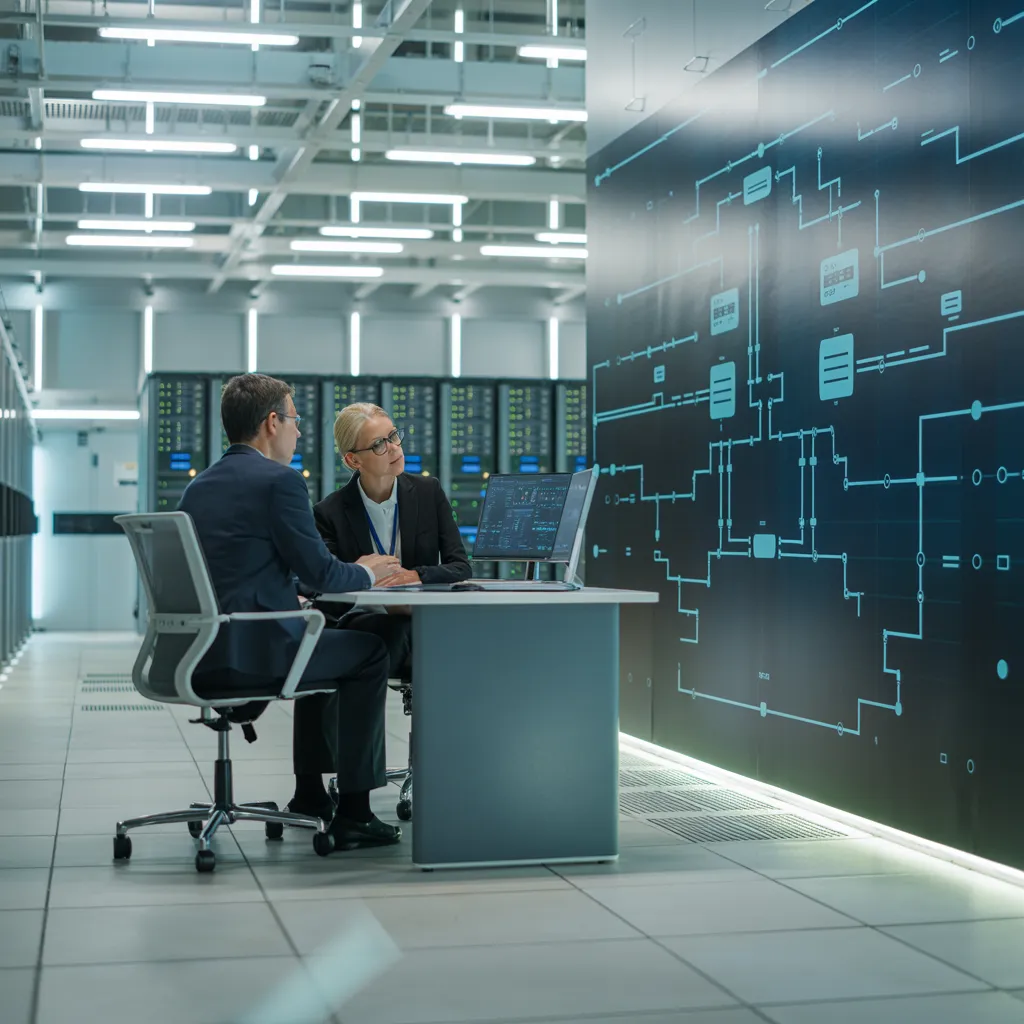
Exploring Retail Colocation: A Complete Overview
Retail colocation gives businesses a versatile and budget-friendly approach for managing their IT equipment. This approach enables organizations to rent space within a data center, delivering fundamental resources like energy, temperature management, and physical security. By co-locating within a shared facility, companies can minimize expenditures connected to developing and managing their own dedicated data centers.
Retail colocation centers are outfitted with advanced technology, ensuring reliable and scalable operations. Organizations gain access to high-performance internet connectivity, backup power systems, and robust security measures, which are generally more difficult to establish on their own.
In addition, retail colocation empowers businesses to concentrate on their primary strengths rather than overseeing on-site infrastructure. It provides a wide array of options to meet different demands, from growing startups to major corporations. This framework supports an environment where organizations can seamlessly adapt to shifting technology needs while sustaining optimal efficiency.
Top 5 Reasons Retail Colocation Drives Business Growth
Five key advantages highlight why businesses increasingly choose colocation as a strategic solution for long-term success. As the first point, colocation delivers cost efficiency by minimizing the costs associated with building and maintaining an in-house data center. Next, it supports scalability, enabling companies to grow their infrastructure without significant investment. Third, enhanced reliability is an fundamental benefit; colocation facilities often feature redundant power, cooling, and connectivity, ensuring uptime. As a fourth consideration, access to advanced technology is a notable advantage, as colocation centers typically feature state-of-the-art equipment that may be economically impractical for individual businesses. Finally, colocation fosters improved focus on core business activities. By outsourcing data center needs, companies can devote greater attention to strategic initiatives rather than technical upkeep. Overall, these advantages make retail colocation an attractive option for businesses seeking to improve their operational efficiency and achieve expansion.
What Role Does Retail Colocation Play in Improving Data Security?
Although many companies acknowledge the significance of protecting their data, only a handful understand how retail colocation can substantially strengthen their protective measures. By taking advantage of shared data center resources, companies gain access to cutting-edge security solutions that could prove too costly to implement alone. These colocation centers commonly offer strong physical protection systems, including biometric authentication systems, surveillance systems, and dedicated security staff, reducing vulnerabilities related to unauthorized access.
Additionally, these establishments regularly supply comprehensive cybersecurity measures, such as intrusion detection systems and firewalls, engineered to secure sensitive information. Consistent security reviews and compliance with industry standards confirm that information remains safeguarded against growing security risks. Additionally, the resilience ensured by colocation services guarantees data availability even during outages, strengthening overall data protection. Ultimately, retail colocation not only unifies infrastructure but also enhances data security, enabling organizations to concentrate on their primary functions with greater peace of mind.
The Way Retail Colocation Provides Scalability and Flexibility
Retail colocation offers businesses the opportunity to seamlessly grow their operations through on-demand resource allocation. This adaptability allows for rapid infrastructure expansion, enabling development without the need for substantial financial commitment. Additionally, customized solutions can be crafted to meet specific organizational needs, strengthening overall resilience in a competitive marketplace.
Flexible On-Demand Resource Management
Scalability and flexibility are essential attributes in the modern rapidly evolving digital environment, and on-demand resource allocation through colocation services addresses these needs effectively. Retail colocation empowers organizations to scale their IT infrastructure dynamically in response to real-time requirements. This model allows companies to quickly increase or decrease their server capacity without the long lead times associated with traditional infrastructure investments. By leveraging colocation facilities, businesses can access additional bandwidth, storage, and processing power as needed, guaranteeing their ability to stay agile when adapting to market shifts. This on-demand strategy not only improves operational performance but also minimizes expenses by eliminating the need for significant upfront capital outlay. Essentially, retail colocation provides businesses with the capability to adjust effortlessly to shifting operational needs.
Rapid Infrastructure Expansion
As businesses increasingly require rapid adjustments to their IT infrastructure, retail colocation presents itself as a key solution for accommodating growth. This approach allows companies to swiftly grow their capabilities without the weight of substantial upfront costs associated with building and maintaining their own data centers. By leveraging shared facilities, businesses can obtain extra resources and bandwidth as needed, ensuring that they can respond promptly to market changes or spikes in demand. Retail colocation further offers the adaptability to modify power and space requirements as business requirements evolve. With robust facilities and knowledgeable support, organizations can prioritize their fundamental aims while smoothly broadening their technological reach, ultimately enhancing their competitiveness in a dynamic marketplace.
Tailored Solutions for Growth
Harnessing the power of retail colocation, businesses gain an essential advantage in achieving both scalability and flexibility. This strategy permits businesses to efficiently modify their IT infrastructure based on market conditions. By making use of shared resources in a colocation facility, businesses can scale their operations without the considerable preliminary costs connected to developing and operating their own data centers. The modular design of colocation services enables seamless integration of additional servers and networking equipment as needed. find the facts Additionally, businesses can quickly scale down during slower periods, optimizing resource allocation. This adaptability not only improves operational productivity but also fosters innovation, enabling businesses to concentrate on expansion strategies while depending on reliable data center solutions to handle their technological requirements.
How to Choose the Right Retail Colocation Partner
Selecting the most suitable retail colocation partner begins with a thorough assessment of infrastructure specifications. Businesses must identify their specific needs to ascertain compatibility with prospective providers. Additionally, reviewing service level agreements is necessary to ensure that the chosen partner fulfills performance and reliability expectations.
Review Infrastructure Requirements
When evaluating operational requirements, organizations must carefully assess their unique demands to find the most suitable colocation services partner. The evaluation starts by determining current and future storage capacity needs, as well as bandwidth needs. Organizations should consider their expansion plans and the likelihood of needing flexible scaling options within the facility. Additionally, reviewing power and cooling systems is necessary, verifying the facility can handle intensive computing equipment. Security features, both physical and digital, need to be thoroughly examined to safeguard critical information. Lastly, the geographic placement of the colocation facility needs to support recovery strategies and performance needs. By considering these elements, businesses can reach well-informed conclusions when identifying a colocation services partner that best supports their operational goals.
Analyze Service Level Agreements
Reviewing service contracts is an essential step in choosing the right colocation provider following an assessment of your infrastructure needs. These agreements establish the expectations and responsibilities between the service provider and the organization, including uptime assurances, support response times, and security protocols. A detailed analysis of these contracts can reveal critical strengths and vulnerabilities, maintaining consistency with organizational objectives. Important factors to consider include compliance-related penalties, issue escalation protocols, and terms for service credits. Furthermore, companies should evaluate the provider's track record in adhering to agreed-upon standards, as this reflects dedication to consistent performance. At the end of the day, a well-defined service level agreement enables a clear and accountable relationship, empowering organizations to effectively utilize colocation services for greater operational effectiveness.
Budget-Friendly Approaches for Optimizing Your Colocation Investment
Optimizing a colocation commitment requires careful planning and well-informed decisions. Businesses can improve cost-efficiency by carefully assessing their objectives before selecting a provider. This guarantees compatibility with available services and eliminates unnecessary expenditures.
Implementing scalable solutions is another key strategy. By choosing a provider that allows for flexible scaling, companies can reallocate their resources based on shifting requirements, consequently cutting down on inefficiencies.
Regularly reviewing and enhancing resource usage is essential. Utilizing monitoring tools can pinpoint inefficiently used assets, enabling organizations to make strategic choices about redistribution or reduction.
Negotiating favorable terms in service contracts (SLAs) can produce considerable cost reductions. Organizations should confirm they understand all costs involved , including hidden fees.
Finally, utilizing power-efficient innovations can lower overhead costs, further maximizing the colocation value. Through the application of these approaches, businesses can guarantee their colocation services yield maximum benefits while driving organizational expansion.
Commonly Asked Questions
What Types of Businesses Benefit Most From Retail Colocation
Companies operating in e-commerce, finance, and technology sectors are best served by retail colocation. Such industries demand robust infrastructure, fast connectivity, and scalability, which allows them to enhance performance, reduce costs, and improve overall operational efficiency.
How Is Retail Colocation Distinct From Standard Data Centers?
Retail colocation differs from standard data center facilities by delivering shared space, reduced costs, and flexible scalability. Companies gain from enhanced connectivity and access to advanced infrastructure without the expenses tied to operating a private data center.
What Are the Most Common Myths About Retail Colocation?
Prevalent myths surrounding retail colocation encompass the incorrect assumption that it caters solely to large-scale businesses, unnecessarily expensive, is deficient in security measures, and provides restricted scalability options. In truth, it offers versatility, cost-effectiveness, and comprehensive security features ideal for organizations across different scales.
In What Ways Does Retail Colocation Influence Environmental Sustainability?
Retail colocation beneficially affects ecological sustainability by improving energy efficiency, lowering carbon emissions, and encouraging shared resources. By combining infrastructure resources, it reduces waste and boosts overall efficiency, supporting environmentally friendly data management methods in the sector.
What Is the Typical Contract Length for Retail Colocation Services?
Typical contract lengths for retail colocation services range from one to three years, although some providers may provide month-to-month arrangements. Contract flexibility enables businesses to adapt their data center requirements as needs change.